


SXSW 2026: The City as a Venue
How SXSW Planners are Designing the Next Generation of Austin Meetings
In Austin, we offer world-class facilities but we also know that meetings are so much more than any single building.
With the Austin Convention Center closed for redevelopment and expansion through early 2029, the meetings industry could have braced for disruption. Instead, SXSW leaned in and turned a constraint into a catalyst. For 2026, the globally influential conference and festival proved that a convention center isn’t the only heart of a meeting. The whole city is.
SXSW 2026 has created a blueprint for large-scale events in the city, mirroring how the original gathering was established in Austin 40 years ago and offering a master class for planners ready to rethink what a “venue” really means. In 2026, they leaned in to the campus-style meeting concept in a revolutionary way.
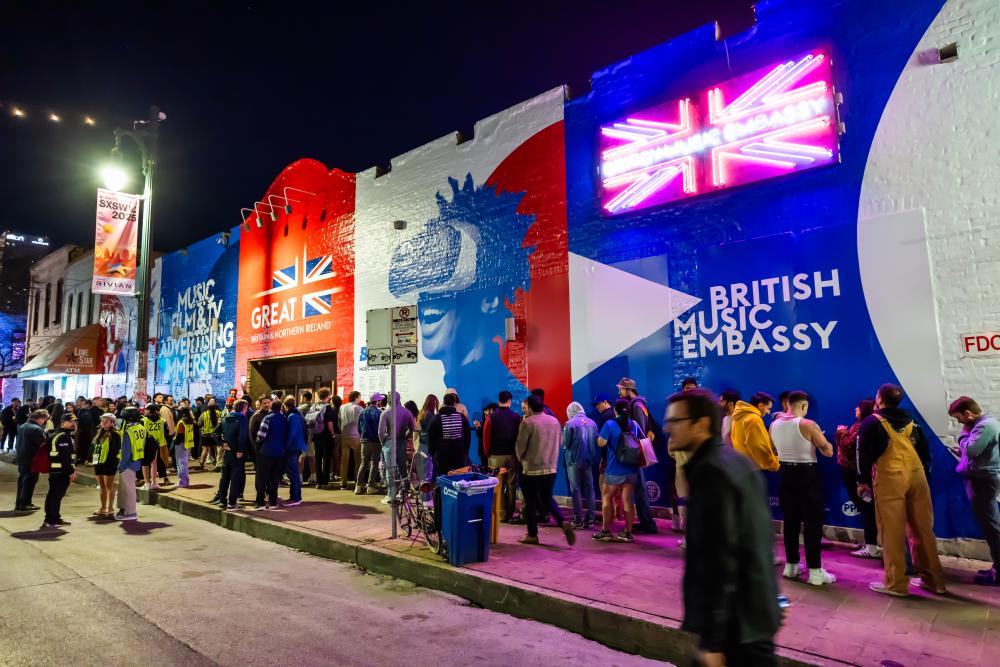
Photo credit: Aaron Rogosin, SXSW.
The Challenge That Sparked a New Model
The temporary closure of the Austin Convention Center might sound like a logistical challenge for an event as multifaceted as SXSW, which draws some 300,000 attendees for keynote speakers, film screenings, music showcases, exhibits, networking events and more. But as discussed during the “City as a Venue” panel at the 2025 Skift Meetings Forum, moments like this force the industry to evolve.
Today’s attendees want destination immersion and the ability to explore and experience the soul of the city they’re visiting. SXSW 2026 met that need head-on, transforming Downtown Austin into an event ecosystem for six days in March. The city itself was part of the event experience, not just providing the backdrop.
“This is our moment to innovate the way people gather... and meet across our city,” Visit Austin Senior Vice President and Chief Marketing Officer Tiffany Kerr shared during the panel discussion.
“Once you get outside of the four walls, what does it look like to have the destination as a canvas and an extension of your content? I think we’re well-positioned to be successful in that.”
SXSW 2026 "Creative Village" Campus Map
Dividing the City into Campuses
Without the convention center as an anchor, SXSW 2026 established “clubhouses” in three downtown neighborhoods, each designed to serve a distinct audience. With the Innovation Clubhouse at Brazos Hall, Film & TV at 800 Congress and Music at the Renaissance Austin Downtown Hotel, three simultaneous events each offered their own walkable footprint.
“It’s the people who make Austin authentic and the independent spirit that really embodies the city,” said Alex Casolaro, Director of Credential Sales with SXSW. “We’re totally going in on that and embracing that. We’re super excited just about the vision and the footprint, taking over different parts of downtown.”
Rather than funneling every attendee into a single mega-venue, SXSW’s model focused on campuses comprising clusters of venues, hotels, restaurants and social spaces that worked together to create cohesive experiences. Each neighborhood had its own rhythm, schedule and energy, while still being connected to the larger event.
"The goal isn’t simply to replace square footage, it’s to design experiences that feel native to the city itself, where attendees want to meet, explore and engage. When you take everyone outside the four walls of a convention center, it elevates attendees’ engagement," Kerr said. "When they’re walking from one session to another, maybe there's live music along the street or they grab an Austin bite from a MICHELIN-recognized food truck."
"They’re getting to experience more of the destination’s character,” she said.
For planners, the takeaway is powerful: You don’t need a single massive hub to host a complex event. You need collaboration and a city that’s built for flow. And, as Visit Austin's team knows, this concept also works for meetings and conferences that are much smaller than SXSW.
How Austin Makes it Work
Downtown Austin’s compact layout makes it walkable, allowing attendees to move effortlessly between sessions, networking and nightlife without transportation headaches. Historic theaters sit alongside modern hotels. Music venues double as keynote stages. Rooftops, patios and lobbies transform into pop-up meeting spaces.
During SXSW, the entire downtown becomes a pop-up village, an interconnected venue where every block has a purpose and every space tells part of the story.
As Kerr noted during the panel discussion, Austin’s venues and hotels are already accustomed to working together, especially during SXSW, creating a culture of collaboration that makes events seamless.
“It's been really exciting to see this [campus-style] concept that we started really dreaming up years ago — because you know this convention center redevelopment didn't catch us off-guard,” Kerr noted.
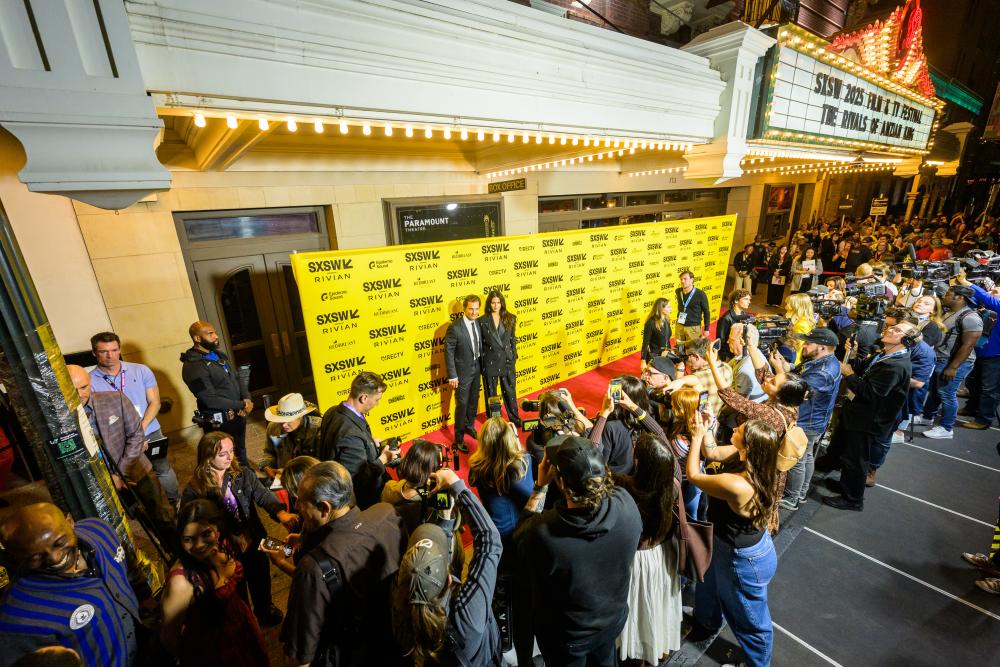
Photo credit: Adam Kissick.
A Blueprint for the Next Generation of Meetings
SXSW 2026 wasn’t just a one-off solution. It’s a glimpse into where citywide meetings are headed.
The future belongs to events that leverage a destination’s neighborhoods, culture and walkability. For planners designing the next generation of large-scale meetings, Austin offers a real-world case study in flexibility, creativity and attendee-first thinking. This strategy leaves a lasting legacy, reshaping how cities and planners partner long after the event is over.
“From an attendee experience perspective, that’s where I get really excited,” Kerr said. “I think there’s a reason why groups come to Austin. There’s a reason why a lot of people see record attendance whenever an event is hosted in Austin. It’s a destination that people want to come to and it’s easy to get to.”
What Planners Can Learn from SXSW
- Rethink the Anchor: A convention center doesn’t always have to be the heart of your event
- Design by Audience: Segment programming into neighborhoods or campuses built around shared interests
- Leverage Walkability: Movement creates energy, discovery and connection
- Use the City as Content: Culture, food and music are powerful engagement tools
- Collaborate Locally: Strong destination partnerships are essential to success
- Tap in to the DMO: Leverage Visit Austin's local connections and deep destination expertise to design your meeting campus
Experience SXSW for yourself next March, and contact our team for help designing a meeting campus that fits your event!
Hero image photo credit: Tico Mendoza. All photos courtesy of SXSW.


